⏱ 4 min read

Your node is running. Now what? Here's how node runners think and maintain their setup.

Life With a Node
0 / 5
1
Step 1 / 5

Daily Life

Daily Life

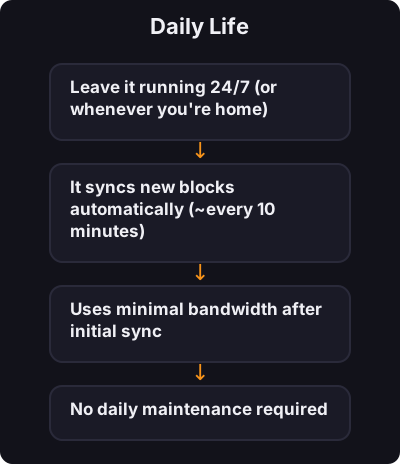
A node is mostly set and forget:

  • Leave it running 24/7 (or whenever you're home)
  • It syncs new blocks automatically (~every 10 minutes)
  • Uses minimal bandwidth after initial sync
  • No daily maintenance required

Check on it weekly — make sure it's still synced and your drive has space.
2
Step 2 / 5

What Changes for You

What Changes for You

Before node: "Did I really receive that bitcoin?" → trust your wallet app

After node: "Did I really receive that bitcoin?" → your node verified it independently

That peace of mind is worth the setup effort.

3
Step 3 / 5

Privacy Benefits

Privacy Benefits

When your wallet connects to your own node:

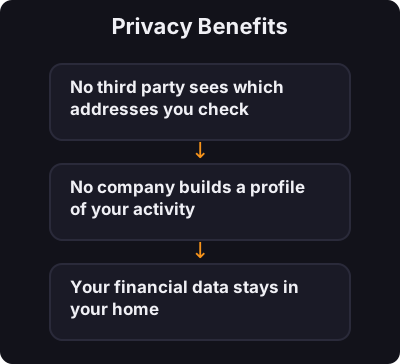
  • No third party sees which addresses you check
  • No company builds a profile of your activity
  • Your financial data stays in your home

This matters especially as Bitcoin adoption grows in India.

4
Step 4 / 5

Contributing to the Network

Contributing to the Network

Every node strengthens Bitcoin:

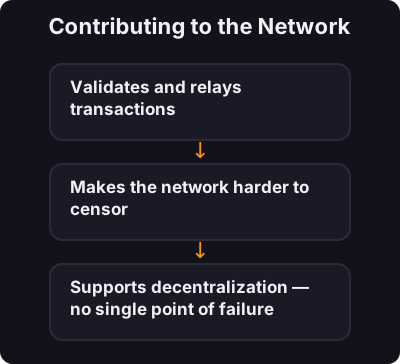
  • Validates and relays transactions
  • Makes the network harder to censor
  • Supports decentralization — no single point of failure

You are not just a user — you are infrastructure.

5
Step 5 / 5

When Things Go Wrong

When Things Go Wrong
Problem Solution
Node fell behind Leave it running — it will catch up
Disk full Switch to pruned or add storage
Power cut UPS helps; node resyncs on restart
Corrupted data Re-download blocks (rare)

The Bitcoin community (including Indian groups) is helpful — ask on forums or meetups.

✅ Key takeaway

A node runs quietly in the background, verifying everything for you. You gain privacy, independence, and the pride of supporting Bitcoin. You are now a Node Runner — be your own bank.

🎯

Quest Challenge

Answer correctly to earn XP and unlock the next quest.